


Top Benefits of Massage for Your Well-being

Taking time to care for your body and mind is essential in today’s fast-paced world. One of the most effective ways to enhance your overall well-being is through regular therapeutic touch. The benefits of massage extend far beyond simple relaxation. This natural therapy can improve physical health, reduce stress, and promote emotional balance. In this article, we will explore the top benefits of massage and how it can positively impact your life.
Understanding the Key Massage Benefits for Health
Massage therapy offers a wide range of health benefits that contribute to both physical and mental wellness. It works by manipulating the soft tissues of the body, including muscles, tendons, and ligaments, to improve circulation and relieve tension. Here are some of the most notable benefits:
Pain Relief: Massage helps reduce muscle soreness and chronic pain conditions such as arthritis, fibromyalgia, and lower back pain. By increasing blood flow to affected areas, it accelerates healing and reduces inflammation.
Improved Circulation: Enhanced blood flow delivers more oxygen and nutrients to tissues, which supports cell regeneration and detoxification.
Stress Reduction: The calming effect of massage lowers cortisol levels, the hormone responsible for stress, and increases serotonin and dopamine, which improve mood.
Better Sleep Quality: Regular sessions can help regulate sleep patterns by promoting relaxation and reducing anxiety.
Increased Flexibility and Range of Motion: Massage loosens tight muscles and connective tissues, which can improve mobility and reduce the risk of injury.
These benefits make massage a valuable addition to any wellness routine, whether you are recovering from an injury or simply seeking to maintain good health.

How Massage Benefits Mental and Emotional Well-being
Beyond physical advantages, massage therapy plays a crucial role in mental and emotional health. The gentle touch and focused attention during a session can create a sense of safety and comfort, which helps reduce feelings of anxiety and depression. Here’s how massage supports emotional well-being:
Promotes Relaxation: The soothing environment and rhythmic movements help calm the nervous system, reducing tension and promoting a peaceful state of mind.
Enhances Mindfulness: Being present during a massage encourages mindfulness, which can improve emotional regulation and reduce negative thought patterns.
Boosts Self-awareness: Regular sessions can increase body awareness, helping individuals recognize areas of tension or discomfort that may be linked to emotional stress.
Supports Social Connection: The human touch involved in massage can foster feelings of connection and reduce loneliness, which is important for mental health.
Incorporating massage into your self-care routine can be a powerful tool for managing stress and improving your overall emotional balance.
How much do you tip for a $100 massage?
Tipping etiquette for massage services can vary depending on location and personal preference, but a general guideline is to tip between 15% and 20% of the total cost. For a $100 massage, this means:
15% tip: $15
20% tip: $20
If the service was exceptional, you might consider tipping more. Conversely, if the experience was not satisfactory, it’s acceptable to tip less or not at all. Remember that massage therapists often rely on tips as a significant part of their income, so tipping generously when you receive good service is appreciated.
Practical Tips to Maximize the Benefits of Your Massage
To get the most out of your massage sessions, consider these actionable recommendations:
Communicate Clearly: Let your therapist know about any specific areas of pain or tension, as well as your preferences for pressure and technique.
Stay Hydrated: Drinking water before and after your session helps flush out toxins released during the massage.
Schedule Regular Sessions: Consistency enhances the long-term benefits, especially for chronic conditions or stress management.
Combine with Other Wellness Practices: Pair massage with stretching, yoga, or meditation to amplify relaxation and physical health.
Create a Relaxing Environment at Home: Use calming music, aromatherapy, or warm baths to extend the relaxation benefits between appointments.
By following these tips, you can ensure that each session contributes effectively to your well-being.
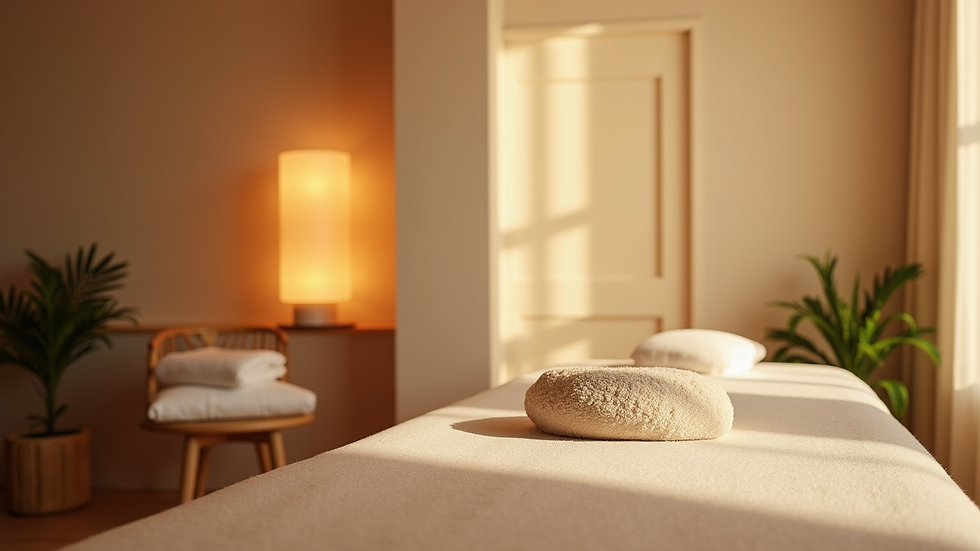
Embracing Massage as Part of a Healthy Lifestyle
Incorporating massage into your lifestyle is a proactive way to support your health and happiness. Whether you seek relief from physical discomfort, want to reduce stress, or simply enjoy the calming experience, massage offers a natural and effective solution. Remember that the benefits extend beyond the time spent on the table - they influence your daily energy, mood, and overall quality of life.
If you are new to this therapy, start with a gentle session and explore different types of massage to find what suits you best. Over time, you will likely notice improvements in your physical comfort, emotional resilience, and mental clarity.
Taking care of yourself is not a luxury but a necessity. By embracing the benefits of massage, you invest in a healthier, more balanced future.
This comprehensive overview highlights why massage is more than just a pampering experience - it is a vital component of holistic well-being. Make it a part of your routine and enjoy the lasting positive effects on your body and mind.


Comments